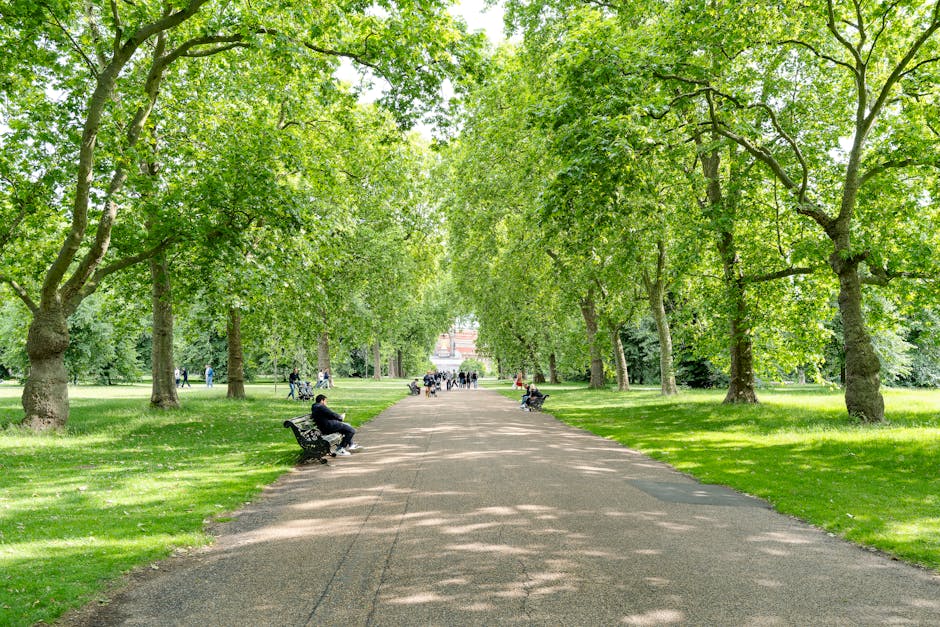
Gardening services for London Zoo and Inner Circle properties: a practical guide to reliable, high-standard outdoor care
Gardening services for London Zoo and Inner Circle properties are not your average patch-and-prune job. These sites sit in a very particular part of London, where access can be awkward, standards are high, and the outside spaces need to look smart without causing disruption. If you are responsible for a property near Regent's Park, a managed residence, visitor-facing space, or a sensitive estate setting, you already know the difference a well-kept garden makes. It changes the feel of the place straight away.
This guide walks through what the service involves, why it matters, how it typically works, and what to look for before you appoint anyone. Along the way, we'll cover maintenance, clearance, hedge work, mowing, landscaping, safety, and the little details that often get missed. Truth be told, that's usually where the headaches begin.
Table of Contents
- Why it matters
- How it works
- Key benefits and practical advantages
- Who this is for and when it makes sense
- Step-by-step guidance
- Expert tips for better results
- Common mistakes to avoid
- Tools, resources and recommendations
- Law, compliance, standards, or best practice
- Options and comparison
- Case study or real-world example
- Practical checklist
- Conclusion
- Frequently asked questions
Why Gardening services for London Zoo and Inner Circle properties Matters
Outdoor spaces around London Zoo and the Inner Circle have to do more than look neat. They need to work hard. That means handling foot traffic, seasonal change, public visibility, boundary planting, shade, wildlife interest, and the day-to-day wear that comes with being in central London. Even a small neglected area can quickly start to look tired, and in a setting like this, tired can become noticeable fast.
There is also the matter of access. Some properties around the Inner Circle have narrow service routes, limited parking, controlled entry points, or strict timing windows. In a zoo-adjacent setting, there may be added sensitivity around noise, waste handling, and safe movement of equipment. None of that is unusual, but it does mean the garden team has to think ahead.
A good service is not just about mowing grass. It is about reducing risk, keeping the grounds presentable, and protecting planting that should not be damaged by over-enthusiastic maintenance. A tidy hedge line, a properly cleared path, and healthy turf all add up. And if you've ever seen a windy morning along the Circle with leaves skittering everywhere, you'll know how quickly things can go from "fine" to "a bit of a mess".
If you want to understand the broader range of support available, it helps to look at the full services overview and how it connects with regular garden maintenance.
How Gardening services for London Zoo and Inner Circle properties Works
In practice, the work usually starts with a site review. A decent contractor will walk the area, note the condition of lawns, shrubs, hedges, borders, trees, hard edges, drainage points, and access routes, then map out what needs doing now versus what can wait. That distinction matters. Some jobs are urgent; others are better handled on a cycle.
For a property near the Zoo or inside the Inner Circle, the plan often needs to be slightly more careful than in a standard suburban garden. Crews may work around public opening hours, resident quiet periods, or maintenance schedules. They may also need to split tasks into smaller visits so that the site stays usable throughout the week. A big one-off visit can be the wrong answer if the area is sensitive.
The actual service can include mowing, edging, hedge trimming, pruning, border care, weeding, leaf clearance, seasonal planting, and waste removal. If larger vegetation is involved, tree care may be part of the job too, although that has to be assessed carefully and handled with the right expertise. In some cases, the best starting point is a structured tidy-up or garden clearance before routine maintenance begins.
For properties with features like timber platforms, terraces, or raised outdoor areas, it may also make sense to bring in decking services or broader landscaping support so the whole space feels joined up rather than patched together.
Key Benefits and Practical Advantages
There are the obvious benefits, and then there are the ones people only notice once they've had a few months of consistent care. The obvious ones are easy: better presentation, healthier planting, fewer trip hazards, less debris, and a more welcoming look overall. The less obvious ones are where the value really shows.
- Protects first impressions: This matters around public or high-visibility sites where visitors, residents, or staff see the outside space daily.
- Supports plant health: Regular pruning, feeding, and weed control stop small issues becoming expensive replacements.
- Reduces disruption: Planned visits are calmer than emergency callouts, especially where access is tight.
- Improves safety: Clear paths, trimmed growth, and managed waste all help reduce avoidable incidents.
- Makes budgeting easier: A clear maintenance cycle is usually easier to manage than reactive fixes after things have gone downhill.
There is also a simple human benefit: everyone feels better in a well-kept outdoor setting. A staff entrance feels brighter. A courtyard looks cared for. A boundary hedge does its job without looking feral. Small thing, maybe. But not really.
If the brief includes softer planting, visitor-facing borders, or a more designed finish, a mix of landscape gardening and ongoing maintenance is often the best way to keep the standard consistent.
Who This Is For and When It Makes Sense
This kind of service is relevant for estate managers, property managers, facilities teams, residential blocks, hospitality sites, and any organisation responsible for grounds near the Inner Circle or around the London Zoo area. It also suits private or semi-private properties that need reliable upkeep without the drama of constant chasing.
It makes sense when one or more of these are true:
- The garden needs regular presentation, not just a one-off tidy.
- Access is awkward and the contractor needs to plan carefully.
- The site has mixed use, with public, resident, or staff-facing areas.
- There are hedges, borders, lawns, or trees that need structured care.
- You need a contractor who understands working neatly and quietly.
A common scenario is a property that looks acceptable in spring but slips by late summer because nobody has time to keep on top of it. Another is the opposite: someone spends money on a lovely planting scheme, then treats it like a car park verge. Harsh, but it happens.
For lawn-heavy areas, a regular lawn mowing schedule can be the difference between a crisp, usable finish and a patchy surface that always looks two steps behind.
Step-by-Step Guidance
If you are organising gardening services for a London Zoo or Inner Circle property, a clear process helps avoid confusion and repeat work. Here is a sensible approach.
- Survey the site properly. Walk every usable area, including awkward corners, service edges, and rear access points. Don't assume the obvious view tells the full story.
- Separate urgent tasks from routine tasks. Safety issues, blocked paths, and overgrown access routes come first. Decorative work can follow.
- Decide the maintenance rhythm. Weekly, fortnightly, seasonal, or a mixed plan? The answer depends on growth, visibility, and use.
- Agree the scope in plain English. Define mowing height, hedge shape, litter removal, pruning limits, and waste handling expectations.
- Plan around access and timings. This is especially useful where you need quiet hours, security checks, or limited vehicle entry.
- Review after the first visit. A good first job gives clues about what the site really needs. You often refine the plan after that.
One practical tip: ask for the maintenance schedule to be broken into seasonal phases. In spring, growth ramps up. In summer, irrigation and cutting frequency matter more. In autumn, leaf fall and clearance take centre stage. Winter is often about tidying, pruning, and preparing for the next cycle. Simple enough, but it prevents a lot of guesswork.
For ongoing upkeep, the team should be able to combine regular care with targeted tasks such as hedge trimming, tree lopping and removal where appropriate, and wider garden maintenance.
Expert Tips for Better Results
The best gardens in central London are rarely the result of one big push. They are usually built on steady, sensible decisions. A few practical tips can make a surprisingly large difference.
- Keep cuts consistent. Uneven mowing and patchy hedge work make a space look neglected even when it has been visited.
- Use the right method for the site. A small courtyard should not be maintained like a large open lawn. Different spaces need different pacing.
- Protect borders early. Once weeds get a grip in a dense planting area, the job gets harder and more expensive.
- Prioritise safe access. Clear routes first so people can move through the site without stepping around tools or cuttings.
- Choose low-disruption scheduling. A quiet early-morning visit can be far better than a late-day rush. You know that feeling when everything is happening at once? Not ideal.
Expert teams also tend to think about disposal. Green waste should be handled sensibly, and where possible the approach should support recycling and sustainability goals. If that matters to your organisation, it is worth asking how the contractor manages waste and what their environmental practice looks like. The subject is often overlooked, but it shouldn't be.
You can also learn a lot by checking whether the company has a clear attitude to recycling and sustainability and whether they show a proper approach to insurance and safety.
Common Mistakes to Avoid
The biggest mistake is treating every outdoor area as though it has the same needs. It doesn't. A small ornamental border, a public-facing hedge line, and a larger open lawn all need different attention. If they are handled as one job with one method, the result is usually mediocre.
Other common problems include:
- Only booking reactive visits: By the time the site looks bad, the job is harder and often more disruptive.
- Ignoring access constraints: If a team arrives without knowing how to move equipment, the visit becomes clunky fast.
- Letting waste pile up: Cuttings, branches, and leaf litter can create hazards and spoil the appearance of the site.
- Over-pruning: Cutting too hard can damage growth and create a worse-looking result for months.
- Choosing price over fit: Cheap is rarely cheap if the site needs correction later.
There is also a softer mistake: not being clear about expectations. If you want a crisp formal look, say so. If you want a more natural style but still tidy, say that too. The more specific you are, the less room there is for misunderstandings. And honestly, a five-minute briefing can save a lot of back-and-forth.
Tools, Resources and Recommendations
For this kind of work, the tools matter, but the discipline matters more. A well-run gardening team will usually use the following kinds of equipment and methods, depending on the site:
- professional mowers suited to the turf and access conditions
- trimmers and hand tools for precise hedge and edge work
- leaf collection and green waste removal equipment
- pruning tools for shrubs, climbers, and smaller trees
- ground protection methods where surfaces need to be preserved
But tools alone don't guarantee a good result. What you really want is a team that knows when to use hand finishing instead of brute force, when to schedule work around weather, and when to leave a plant alone because it needs time. That last part sounds simple. It isn't always.
For a service-led approach, the most useful resources are usually the provider's own information pages, especially services overview, pricing and quotes, and the company's stated approach to health and safety.
Law, Compliance, Standards, or Best Practice
For central London properties, compliance is not just a box-ticking exercise. It affects how work is planned and how safely it is carried out. You do not need a solicitor's brain to manage a garden, but you do need sensible safeguards.
Good practice usually includes:
- risk assessments before more complex work
- safe handling of tools, vehicles, and waste
- clear method statements for higher-risk tasks
- appropriate public liability and employer coverage
- respect for site rules, quiet hours, and access limitations
For tree work, especially near paths, structures, or boundaries, professional judgement is essential. The same goes for any task that could create falling debris, hidden trip points, or service interruptions. If a contractor sounds casual about safety, that is a red flag. Not a tiny one either.
It is also sensible to check how a provider handles complaints, privacy, payment security, and formal policies. Those things don't make the garden greener, of course, but they do show whether the business is organised and accountable. Pages such as complaints procedure, payment and security, and privacy policy can tell you a lot about the standard behind the service.
Options, Methods, or Comparison Table
Choosing the right approach depends on how much care the site needs, how visible it is, and whether the goal is presentation, safety, restoration, or long-term improvement. Here is a straightforward comparison.
| Approach | Best for | Strengths | Limitations |
|---|---|---|---|
| Routine maintenance | Established gardens, lawns, and managed grounds | Keeps the site neat, predictable, and easy to budget for | May not solve deeper layout or drainage issues |
| One-off clearance | Overgrown or neglected areas | Fast improvement and a clean reset | Needs follow-up or the problem returns |
| Landscape gardening | Sites needing redesign or stronger visual structure | Improves flow, planting design, and usability | Takes planning and can involve more staged work |
| Mixed maintenance and landscaping | Properties with changing seasonal or public-use needs | Balances long-term improvement with day-to-day presentation | Requires a contractor who can think beyond basic cuts |
For many London Zoo and Inner Circle properties, the mixed approach works best. It gives you the steadiness of regular care, but also leaves room for improvement projects when the site needs them.
Case Study or Real-World Example
Here is a realistic example based on the sort of brief that often comes up in central London. A managed property close to the Inner Circle has a front garden, a narrow side route, and a small rear courtyard. The front area looks fine in winter but gets shaggy by late spring. The side route gathers leaves and loose soil. The courtyard is used for occasional staff breaks, so it needs to stay pleasant, not just technically maintained.
The first step is a tidy-up visit. The contractor clears waste, trims back soft growth, and restores the edges. Then the site is divided into zones. The front garden goes on a regular mowing and border schedule. The side route gets seasonal clearance and a leaf plan. The courtyard gets lighter maintenance, with careful pruning and a focus on keeping the space calm and usable.
The result is not flashy. That's the point. It just works. The space stays presentable, people can move through it without hassle, and the team responsible for the property is no longer dealing with surprise overgrowth every few weeks. A fairly ordinary-looking win, but a real one.
For a project like this, the provider may also advise on any small improvements that help the site function better, from low-key planting adjustments to targeted works such as landscaping or light structural touches.
Practical Checklist
Use this checklist before booking or reviewing a gardening service for a London Zoo or Inner Circle property.
- Have the access routes and timing constraints been confirmed?
- Is the work split between urgent, routine, and seasonal tasks?
- Have lawn, hedge, border, and tree needs been assessed separately?
- Is waste removal included and explained clearly?
- Do you know how often the site needs returning to?
- Has the contractor explained how they manage health and safety?
- Are insurance, complaints handling, and payment terms easy to understand?
- Have you agreed the appearance standard you actually want?
- Is there a plan for sustainability and responsible disposal?
- Have you checked whether the team can handle both maintenance and improvement work if needed?
If you can tick most of those off, you're in a much stronger position. If not, pause and clarify. It's cheaper to ask questions now than to fix a messy result later.
Get a free quote today and see how much you can save.
Conclusion
Gardening services for London Zoo and Inner Circle properties are really about consistency, judgement, and respect for the site. The best results come from teams that understand how central London properties work: their access quirks, their visibility, their safety needs, and the fact that a garden has to do its job quietly in the background. No fuss. Just solid, dependable care.
If you choose a provider who can handle routine maintenance, targeted clearance, practical landscaping, and proper safety standards, you give the property a better chance of looking good all year round. That's good for the people who use the space, and honestly, good for your own peace of mind too.
And when a garden is doing what it should, you notice it in a strange little way: the place feels calmer, tidier, more settled. That matters more than people sometimes admit.
Frequently Asked Questions
What do gardening services for London Zoo and Inner Circle properties usually include?
They usually include lawn mowing, hedge trimming, border care, weeding, pruning, leaf clearance, waste removal, and occasional clearance or landscaping work. The exact mix depends on the site, access, and how visible the area is.
How often should a property near the Inner Circle be maintained?
There is no single answer, because growth rates and usage vary. Some spaces need weekly visits in the growing season, while others do fine with fortnightly or seasonal work. A site review is the best starting point.
Is garden maintenance different for a zoo-adjacent site?
It can be. Zoo-adjacent work may need extra care around noise, access, timings, and waste handling. The team should be careful, discreet, and organised. In short, no cowboy behaviour.
Can one contractor handle both maintenance and landscaping?
Yes, if they have the right range of skills. That can be useful because the same team can keep the site tidy while also improving planting, layout, or hardscape features over time.
What should I ask before booking a gardening service?
Ask about access, timing, scope, insurance, waste removal, safety practices, and how often they expect to return. Also ask what they would do first if the site is already overgrown.
What if the garden is badly neglected?
A proper clearance visit is usually the best first step. Once the space is back under control, regular maintenance can take over. Trying to start with routine care alone often doesn't work well.
Do I need hedge trimming and tree work as part of the same service?
Sometimes yes, sometimes no. Smaller hedge work is often part of routine upkeep, while larger tree-related tasks need closer assessment and more careful planning.
How do I know if a contractor is safety-conscious?
They should be clear about risk, access, equipment use, insurance, and site behaviour. If they are vague or dismissive, that is a warning sign. You want calm competence, not improvisation.
What is the difference between garden maintenance and garden clearance?
Garden maintenance is regular ongoing care. Garden clearance is a more intensive tidy-up that resets an overgrown or cluttered space so maintenance can begin properly afterwards.
Can gardening services help with sustainability?
Yes. Responsible waste handling, sensible pruning, and better planting choices all support sustainability. It is worth asking how the contractor manages recycling and green waste before you commit.
How do pricing and quotes usually work for this kind of service?
Quotes are often based on site size, access difficulty, frequency, and the amount of work needed. A one-off clearance may be priced differently from ongoing maintenance, and bespoke sites near London Zoo or the Inner Circle are often assessed individually.
Where can I find more information about the company's policies?
Useful background is usually available through the provider's own pages, including about us, health and safety policy, and recycling and sustainability. Those pages can help you judge how seriously the business approaches trust and process.