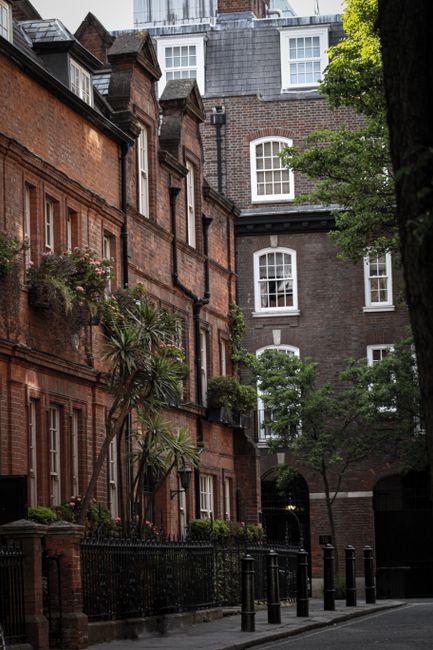
Marylebone High Street garden maintenance near Regents Park: a practical local guide
If you are looking after a garden or courtyard in Marylebone, you already know the challenge: the setting is beautiful, but it is not forgiving. A neglected border can look tired very quickly, and a busy street near Regents Park brings its own mix of shade, foot traffic, pollution, dust, and seasonal growth spurts. Marylebone High Street garden maintenance near Regents Park is really about keeping small outdoor spaces healthy, tidy, and genuinely usable without turning the whole thing into a weekly battle.
That might mean regular lawn care, hedge trimming, clearance after a windy spell, or a more thoughtful maintenance routine for a private patio, communal garden, or townhouse plot. Done well, it keeps the place looking calm and cared for. Done badly, everything starts to compound. Moss creeps in, shrubs get leggy, paths become slippery, and what should feel like a restful corner begins to feel like a chore. Let's face it, nobody wants that.
In this guide, you will find a clear explanation of what garden maintenance near Regents Park actually involves, how it works, who it suits, and what to check before booking a provider. We will also look at practical steps, common mistakes, and a realistic checklist you can use straight away. If you want a broader view of what a good service should cover, the services overview is a useful place to start.
Table of Contents
- Why Marylebone High Street garden maintenance near Regents Park matters
- How Marylebone High Street garden maintenance near Regents Park works
- Key benefits and practical advantages
- Who this is for and when it makes sense
- Step-by-step guidance
- Expert tips for better results
- Common mistakes to avoid
- Tools, resources and recommendations
- Law, compliance, standards, or best practice
- Options, methods, or comparison table
- Case study or real-world example
- Practical checklist
- Conclusion
- Frequently asked questions
Why Marylebone High Street garden maintenance near Regents Park matters
In a part of London where outdoor space is often compact and visible, maintenance is not a nice extra. It is part of how the property presents itself, how long materials last, and how enjoyable the space feels in everyday use. A small garden can be much harder to keep under control than a larger one because every plant, edge, and surface is in close view. There is nowhere for untidiness to hide.
That matters around Marylebone High Street and the streets leading towards Regents Park because properties here tend to balance appearance with practicality. A courtyard or front garden may need to look smart for residents, guests, or clients, but it also has to cope with changing light, seasonal leaf fall, container plants, and the stop-start rhythm of city life. If nobody is maintaining it properly, even a good design can start to look flat pretty quickly.
Another reason it matters is wear and tear. Urban gardens often deal with compacted soil, patchy turf, weeds in paving joints, and shrubs growing into paths or windows. Add in periods of wet weather and you can get slippery surfaces, poor drainage, and a space that is less safe to walk through. That is especially important for communal areas and rental properties, where a tidy garden is also a practical duty, not just an aesthetic one.
There is also the comfort factor. People use gardens more when they feel ordered. A clean edge, a pruned shrub, or a fresh mow changes the mood of a space. You notice the difference on a bright spring morning, and you notice it even more in late autumn when everything else feels grey. A well-kept garden gives the property a bit of breathing room. Quietly, but clearly.
How Marylebone High Street garden maintenance near Regents Park works
Good garden maintenance is usually a mix of routine care and responsive work. The routine side covers tasks that keep growth, weeds, and debris under control. The responsive side deals with what the weather, seasons, and everyday use throw at the garden. That might be a sudden build-up of leaves, an overgrown hedge, or a lawn that has gone from neat to shaggy after a few wet weeks.
Most maintenance visits begin with a quick assessment. A sensible gardener looks at the condition of the lawn, hedges, borders, hard surfaces, trees, and any sensitive features such as decking or planted containers. The aim is not just to cut things back. It is to decide what needs attention now, what can wait, and what should be treated more carefully so it does not get damaged.
From there, the work may include mowing, edging, pruning, deadheading, weeding, seasonal planting, leaf clearance, and general tidying. If you have a more developed outdoor space, you may also need support from specialist services such as lawn mowing, hedge trimming, or even tree lopping and removal where a tree has become unsafe or badly positioned.
For neglected spaces, a one-off reset can be useful before settling into a regular schedule. That is where garden clearance can help bring things back to a manageable baseline. After that, regular maintenance is usually much easier, and frankly much cheaper in effort.
Near Regents Park, access can matter too. Narrow passageways, shared entrances, basement lightwells, and rear access routes all change how a job is planned. Good providers think through waste removal, equipment movement, and how to protect nearby surfaces before they start. That is the sort of detail people only notice when it goes wrong. Better not, as a rule.
Key benefits and practical advantages
The most obvious benefit is appearance, and yes, that matters. A tidy garden creates a better first impression, whether the property is a private home, a rental, or part of a managed block. But the real value of maintenance goes deeper than looks.
- Healthier plants: regular pruning, feeding, and seasonal care help shrubs and borders stay balanced rather than becoming crowded or weak.
- Safer surfaces: moss, fallen leaves, and overgrown edges can make paths and steps slippery; steady upkeep reduces that risk.
- Lower long-term cost: small, regular jobs are usually easier than big restorative work after months of neglect.
- Better use of space: even a tiny courtyard feels larger when it is cleared, edged, and visually ordered.
- Less stress for residents: maintenance takes the garden off the to-do list, which is often half the battle.
There is also a practical advantage for landlords, agents, and managing agents. A well-maintained garden supports property presentation during viewings and inspections. It can also reduce complaints from neighbours or residents about overgrowth, mess, or access issues. It is not glamorous work, but it solves a lot of small problems before they become awkward.
One thing people often underestimate is consistency. A garden that is lightly maintained every few weeks tends to stay flexible and responsive. The same garden left untouched for three months can become a project. A messy, expensive project. Nobody really enjoys that surprise.
Who this is for and when it makes sense
This kind of maintenance makes sense for quite a wide range of people, especially in central London where outdoor areas are often compact and high-value. If you own a townhouse garden, manage a rental, or look after a shared courtyard, keeping things in shape is more than a visual preference. It is part of keeping the property functional.
It is particularly useful for:
- Homeowners who want their outdoor space to feel calm and usable without spending every weekend on it.
- Landlords who need the garden to present well for tenants and inspections.
- Letting agents and property managers handling multiple addresses with different levels of upkeep.
- Residents' groups or blocks where communal garden standards need to be consistent.
- Busy professionals who simply do not have the time or equipment to maintain the space properly.
It also makes sense when the garden has specialist features. A small lawn near shade trees may need more considered care. A space with decking or structural landscaping may need a gardener who understands how to maintain those surfaces without causing damage. If that sounds familiar, it may be worth looking at decking services as part of the wider maintenance picture.
Sometimes the trigger is seasonal rather than dramatic. Spring growth gets away from people. Late summer weeds creep in. Autumn leaves build up fast. Winter exposes structural issues. Then one day you look out and think, right, this needs doing properly. That is usually the moment people start searching.
Step-by-step guidance
If you want a maintenance routine that actually works near Marylebone High Street and Regents Park, keep it simple and repeatable. The best systems are usually not the fanciest ones.
- Assess the space honestly. Walk the garden and note what is overgrown, damaged, blocked, or uneven. Look at borders, edges, drains, steps, and hidden corners.
- Separate urgent work from routine work. Safety issues, access problems, and heavily overgrown areas come first. Decorative tidying can wait a bit.
- Choose the right maintenance frequency. Some gardens need weekly attention in spring and summer, while others are fine on a fortnightly or monthly plan.
- Match the work to the season. Spring is for shaping and feeding, summer for watering and control, autumn for leaf removal, and winter for structure and protection.
- Cut back only what needs it. Over-pruning can damage plant health and make a garden look harsh. Less is sometimes more.
- Clear waste properly. Green waste, cuttings, and soil should be removed or handled in line with the provider's recycling practice. It should not just vanish into a black bag and hope for the best.
- Review the result after the visit. Does the space feel cleaner, safer, and easier to maintain? If not, adjust the plan before the next round.
If the garden has become overwhelmed, start with a reset rather than trying to do everything at once. A one-off clearance, followed by regular upkeep, often gives the best long-term result. It sounds obvious, but people skip that first step and then wonder why the maintenance schedule keeps failing. Truth be told, the system was fighting a losing battle from day one.
Expert tips for better results
In our experience, the biggest difference between average garden care and genuinely good maintenance is judgement. Anyone can cut grass or remove leaves. The skill is knowing how much, when, and why.
Tip 1: Keep edges sharp. Even if the rest of the garden is modest, crisp edges around lawns, paths, and beds make the whole space feel looked after. They are a small detail with a big visual payoff.
Tip 2: Avoid overfeeding attention to one area. A front patio, for example, may get cleaned regularly while a rear corner quietly turns into a jungle. It happens. Rotate your attention so no part of the garden gets forgotten.
Tip 3: Think in layers. Start with structure, then surfaces, then planting, then finishing touches. If you do it backwards, you will probably end up redoing things. Nobody needs that extra lap.
Tip 4: Work with the light and the shade. Regents Park proximity and central London building lines can leave certain corners in deep shade. That changes what survives, how fast things grow, and how often moss appears. Adjust the plan instead of forcing the same approach everywhere.
Tip 5: Ask what the garden needs to be, not just how it should look. A quiet sitting space, a neat rental courtyard, and a communal entry garden are all different jobs. The best maintenance reflects the use, not just the view from the window.
Tip 6: Use the right service for the right issue. A gardener handling routine work may not be the same person you call for major tree concerns or a heavy site reset. Matching the service to the problem keeps the result cleaner and safer.
If you are comparing service styles or planning a wider improvement, the landscape gardening and landscaping pages can help you think through the difference between upkeep and bigger changes.
Common mistakes to avoid
Most garden problems around Marylebone High Street do not start with one huge mistake. They start with a small bit of neglect that repeats. That is the annoying part.
- Leaving jobs too long: a missed mow or a few extra weeks of weed growth can change the feel of the whole space.
- Pruning at the wrong time: some plants respond badly to hard cutting at the wrong moment, especially if the weather is turning.
- Ignoring drainage issues: pooled water, moss, and muddy patches often point to a deeper problem than simple tidiness.
- Using the wrong equipment: blunt tools, heavy machinery in tight spaces, or unsuitable methods can damage plants and surfaces.
- Forgetting waste management: loose cuttings, leaf piles, and debris create a scruffy finish and can attract pests.
- Assuming all gardens need the same schedule: a shaded courtyard and a sunny terrace will not behave the same way.
One of the more common errors is treating maintenance like a one-off clean-up instead of an ongoing system. Gardens do not really work like that. They are a bit like laundry, to be fair. If you stop paying attention for too long, the pile grows. Not glamorous, but true.
Tools, resources and recommendations
You do not need an enormous toolkit for solid maintenance, but you do need the right basics. For most gardens, a reliable mower, secateurs, loppers, a rake, a leaf collector, edging tools, gloves, and a decent waste plan will cover a lot of ground.
For more detailed work, professional providers may also use hedge trimmers, pruning saws, pressure-safe cleaning methods for hard landscaping, and specialist equipment for clearance or tree-related work. The important thing is not the number of tools. It is whether the tool matches the task and the space.
Useful service pages to understand the scope of work include garden maintenance for routine care and lawn mowing for grass-focused upkeep. If the space needs a complete tidy before routine care can begin, garden clearance is often the logical first step.
There are also practical considerations beyond tools. Ask how waste is handled, how access is managed, and whether the team is set up for compact urban spaces. Gardens near Regents Park are not usually vast, but they can be fiddly, and fiddly jobs reward care more than brute force.
Law, compliance, standards, or best practice
Garden maintenance is usually straightforward, but there are still sensible standards to follow. In the UK, good practice means working safely, respecting property boundaries, avoiding unnecessary damage, and managing waste responsibly. If a project touches trees, structures, or access routes, care matters even more.
For tree work, hedge work close to boundaries, or jobs involving higher risk, a provider should be able to explain how they approach health and safety. That does not mean they need to overwhelm you with paperwork. It does mean they should work in a way that protects people, surfaces, and nearby property. If you want to understand the provider's approach, the health and safety policy and insurance and safety information are worth reading.
Waste handling is another area where best practice matters. Green waste should be dealt with thoughtfully, and recycling where possible is a good sign. It is not just about tidiness; it is about avoiding unnecessary waste and keeping the job responsible from start to finish. A provider that takes sustainability seriously may also explain its recycling and sustainability approach.
On the business side, clear pricing, payment terms, and service expectations matter too. That sounds basic, but it prevents friction. A provider that communicates openly about costs and scope is usually easier to work with. You can review pricing and quotes and terms and conditions to understand how a service is structured.
Options, methods, or comparison table
Different gardens need different levels of input. If you are deciding how to manage a space near Marylebone High Street, it helps to compare the main approaches rather than guessing.
| Approach | Best for | Strengths | Trade-offs |
|---|---|---|---|
| Light routine maintenance | Well-kept gardens that mainly need mowing, edging, pruning, and seasonal tidying | Cost-effective, consistent, easy to schedule | Not enough for neglected or heavily overgrown spaces |
| One-off reset plus maintenance | Gardens that have slipped behind or need a fresh start | Brings the space back under control quickly | Requires more initial effort and usually more immediate spend |
| Maintenance with targeted specialist work | Spaces with hedges, trees, decking, or landscaping features | More complete care, better for mixed-use gardens | Needs a provider with broader capability |
| Full redesign or renovation | Outdated or awkward gardens that need structural change | Solves design problems, improves long-term usability | Longer timeframe, more planning, more disruption |
For many properties, the second or third option is the sweet spot. A garden often does not need a complete redesign. It just needs someone to stop the drift, tidy the structure, and keep on top of the regular work. Simple, but not always easy.
Case study or real-world example
Here is a realistic example. A small rear garden off Marylebone High Street had become one of those spaces that looked fine from a distance and a bit grim up close. The lawn was patchy, one hedge had grown unevenly into the path, and the borders were full of old stems and leaf debris. Nothing dramatic. Just enough to make the whole place feel ignored.
The first visit focused on clearance and structure. The team removed dead material, shaped the hedge, cut back the worst growth, and tidied the lawn edges. A second visit a few weeks later handled the finer points: routine mowing, light weeding, and a more careful look at the planting so it could recover properly. The result was not a "new garden" in the glossy sense. It was better than that. It felt usable again.
What made the difference was not one big intervention. It was the sequence. Reset first, then maintenance, then a bit of judgement about what should be left to grow naturally. That approach works especially well in central London gardens where space is limited and overworking it can be just as bad as ignoring it.
And yes, there was that moment when the client stood at the back door, looked out, and said, "Oh, it looks bigger now." That happens more than you would think. Clean lines and less clutter can make a small garden feel twice the size. Funny, really.
Practical checklist
Use this checklist if you are planning Marylebone High Street garden maintenance near Regents Park and want to stay organised.
- Walk the garden and note the main issues.
- Check for slippery surfaces, blocked drains, or access problems.
- Decide whether you need routine care, clearance, or specialist support.
- Confirm how often the space should be maintained.
- Match tasks to the season.
- Ask how waste will be removed or recycled.
- Make sure sensitive plants, surfaces, and structures are protected.
- Review whether the finish is tidy enough for the property's use.
- Set a follow-up date before the space drifts again.
Expert summary: The best garden maintenance near Regents Park is calm, regular, and site-specific. It should keep the space healthy, safe, and easy to enjoy without overcomplicating the job. Reset the mess, keep the rhythm, and let the garden settle into a steady pattern.
Conclusion
Marylebone High Street garden maintenance near Regents Park is about more than neatness. It is about protecting the condition of the space, making it pleasant to use, and reducing the constant low-level stress that comes with trying to keep a city garden under control on your own. A good routine saves time, prevents avoidable damage, and helps even a small outdoor area feel like part of the home rather than an extra burden.
If you are weighing up whether to book help, think about the space honestly. Is it looking a bit tired? Is it becoming harder to manage? Does it need a reset before maintenance can really work? If the answer to any of those is yes, now is probably the right moment to act. A little attention at the right time makes a large difference later, and that is one of those simple truths that never really changes.
If you want to compare services, understand scope, or check what is included before making a decision, take a look at the wider services overview and the company's about us page for more context.
Get a free quote today and see how much you can save.
Frequently Asked Questions
How often does a Marylebone High Street garden near Regents Park usually need maintenance?
It depends on the size, planting, and exposure of the garden, but many London spaces benefit from regular attention every one to four weeks during the growing season. The key is consistency rather than waiting until everything feels out of hand.
What is included in routine garden maintenance?
Routine maintenance commonly includes mowing, edging, pruning, weeding, deadheading, leaf clearance, light tidying, and checking that paths and access points stay clear. Some gardens also need seasonal planting or basic plant health care.
Is one-off garden clearance enough on its own?
It can be enough if you just need a reset, but in most cases it works best as the first step before regular maintenance. Clearance gets the garden back under control; maintenance keeps it there.
Do small courtyard gardens need professional maintenance too?
Yes, often more than people expect. Small gardens show neglect quickly, and they can be fiddly to maintain properly. A tidy courtyard can make a property feel larger, brighter, and more cared for.
What should I ask before booking a garden maintenance service?
Ask what is included, how often they recommend visits, how waste is handled, whether they have experience with compact London gardens, and how they deal with safety or access issues. Clear answers are usually a good sign.
Can garden maintenance include hedge and tree work?
Yes, if the provider offers those services and the work is appropriate for the site. For larger or riskier jobs, it is sensible to use a team that can handle hedge trimming or tree work properly rather than trying to force a general tidy-up to do everything.
How do I know if my garden needs landscaping rather than maintenance?
If the main issue is tidying, shaping, and keeping things healthy, maintenance is usually enough. If the space has design problems, poor layout, damaged structures, or features that no longer work, you may need landscaping or landscape gardening instead.
What are the signs that a garden is being neglected?
Common signs include uneven growth, weeds in borders and paving, patchy turf, leaf build-up, moss, overhanging branches, and access routes that feel cramped or blocked. If the space starts feeling harder to use, that is another clue.
Are there safety concerns with overgrown gardens?
Yes. Overgrowth can hide uneven ground, create slippery surfaces, and make paths harder to use. In more serious cases, falling branches or unstable features can become a concern, so it is worth dealing with issues promptly.
How does sustainability fit into garden maintenance?
It usually means reducing waste where possible, recycling green material responsibly, and avoiding unnecessary work that damages healthy plants. A thoughtful maintenance plan is often more sustainable than repeated heavy cutbacks.
Can I combine regular maintenance with decking or hard-surface care?
Absolutely. Many gardens need both plant care and surface care. If your space includes timber features, you may want to include decking services as part of a broader upkeep plan so the whole area stays balanced.
Where can I find more information about the company's policies and service standards?
You can review the relevant pages on the site, including health and safety policy, insurance and safety, and pricing and quotes for a clearer picture of how the service is set up.
If you are ready to move from reading to doing, the simplest next step is to get the garden assessed properly and decide whether it needs a tidy-up, a clearance, or a steady maintenance plan. One good visit can change the whole feel of a place. Sometimes that is all it takes.